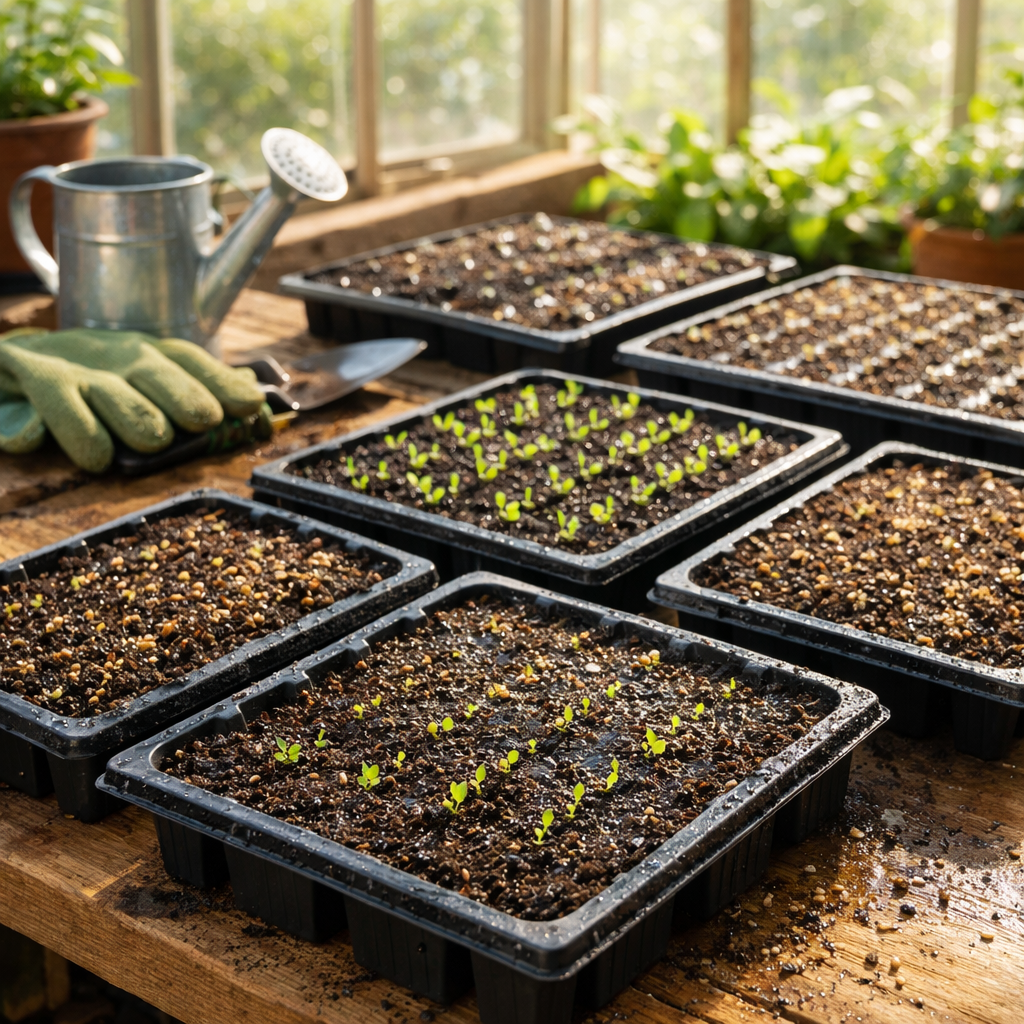
Planting Bare Root Asparagus Crowns in Spring
Planting bare root asparagus in March (UK & Europe guide)
March is one of the best times to plant bare root asparagus crowns in the UK and across much of Europe. As the soil begins to warm and becomes workable, conditions are ideal for establishing strong root systems before the growing season accelerates.
Asparagus is a long-term crop that can produce for 15–20 years, so getting the planting right at the start is essential for reliable harvests in future seasons.
Quick answer: how to plant bare root asparagus
To plant bare root asparagus in March, dig a trench, create a small ridge in the base, spread the roots over it, cover lightly with soil, and gradually fill in as shoots grow. Choose a sunny, well-drained site and avoid harvesting in the first year to allow plants to establish.
When to plant asparagus (UK & Europe)
The ideal planting window is:
- March to April in most of the UK and Ireland
- Late March to early April in colder regions (Scotland, northern Europe)
- Earlier (February–March) in milder parts of southern Europe
Key conditions to look for:
- Soil is workable (not frozen or waterlogged)
- Temperatures consistently above 8–10°C
- No prolonged frost forecast
Avoid planting into cold, wet soil, as crowns can rot before establishing.
Step-by-step guide to planting asparagus crowns
Step 1: Choose and prepare the site
- Select a sunny, sheltered position
- Remove weeds thoroughly, especially perennial roots
- Work in plenty of well-rotted compost or manure
Step 2: Dig a trench
- Dig a trench around 30cm wide and 20cm deep
- Space trenches about 1m apart if planting multiple rows
Step 3: Create a ridge in the trench
- Form a small mound (ridge) along the base of the trench
- This helps support and spread the roots evenly
Step 4: Position the crowns
- Place crowns on top of the ridge
- Spread roots out like spokes of a wheel
- Space plants 30–45cm apart
Step 5: Cover lightly with soil
- Cover crowns with 5–8cm of soil initially
- Do not fill the trench completely yet
Step 6: Gradually fill the trench
- As shoots emerge, continue adding soil
- Fill the trench fully over several weeks
Step 7: Water and mulch
- Water thoroughly after planting
- Apply mulch to retain moisture and suppress weeds
Best asparagus varieties for the UK & Europe
Choosing the right variety improves reliability and yield:
- Gijnlim
- Early cropping, high yielding
- Excellent for UK and northern Europe
- Backlim
- Slightly later, very productive
- Good disease resistance
- Mondeo
- Strong growth and consistent spears
- Suitable for a range of soil types
- Purple varieties (e.g. Pacific Purple)
- Sweeter flavour
- Best for milder climates and lighter soils
For most UK growers, Gijnlim is a reliable, beginner-friendly choice.
Ideal growing conditions for asparagus
- Soil
- Well-drained, light to medium soils preferred
- Avoid heavy clay unless improved with organic matter
- Sunlight
- Full sun is essential for strong growth
- Water
- Consistent moisture, especially during establishment
- Fertility
- Rich soil with added compost or manure
- Annual feeding recommended after establishment
Asparagus dislikes waterlogging, so drainage is critical.
Common problems when planting asparagus
Poor establishment
- Often caused by cold or waterlogged soil
- Improve drainage and delay planting if needed
Thin or weak spears
- Plants not fully established
- Avoid harvesting for the first 1–2 years
Crown rot
- Caused by overly wet conditions
- Ensure free-draining soil
Weed competition
- Reduces growth significantly
- Keep beds weed-free, especially early on
Climate and regional notes
Asparagus is well suited to:
- UK and Ireland climates
- Northern and central Europe
- Areas with cold winters and mild springs
Key considerations:
- Requires winter dormancy for best performance
- Late frosts can damage emerging spears
- In southern Europe, planting may happen earlier
Pro tips for long-term success
- Do not harvest in the first year
- Harvest lightly in year two, fully from year three
- Keep beds weed-free at all times
- Add mulch annually to improve soil health
- Cut back foliage in autumn after it dies back
FAQs: planting asparagus in the UK and Ireland
When is the best time to plant asparagus in the UK
March to April is ideal, once the soil is workable and beginning to warm.
Can I plant asparagus crowns in March
Yes, March is one of the best months for planting in most parts of the UK and Ireland.
How deep should I plant asparagus crowns
Start by covering with 5–8cm of soil, then gradually fill the trench as the plants grow.
How long does asparagus take to grow
You can begin light harvesting in year two, with full harvests from year three onwards.
Can asparagus grow in pots
It is possible, but not ideal due to the plant’s deep root system and long lifespan.
Do I need to soak asparagus crowns before planting
This is optional, but soaking for a few hours can help rehydrate dry roots.
How far apart should asparagus plants be spaced
Space crowns 30–45cm apart in rows around 1m apart.
What soil is best for asparagus
Free-draining, fertile soil with plenty of organic matter is ideal.
Can frost damage newly planted asparagus
Yes, late frosts can affect emerging shoots, but established crowns are hardy.
Do I need to feed asparagus every year
Yes, applying compost or fertiliser annually helps maintain strong yields.