How to sow aubergine seeds indoors in March
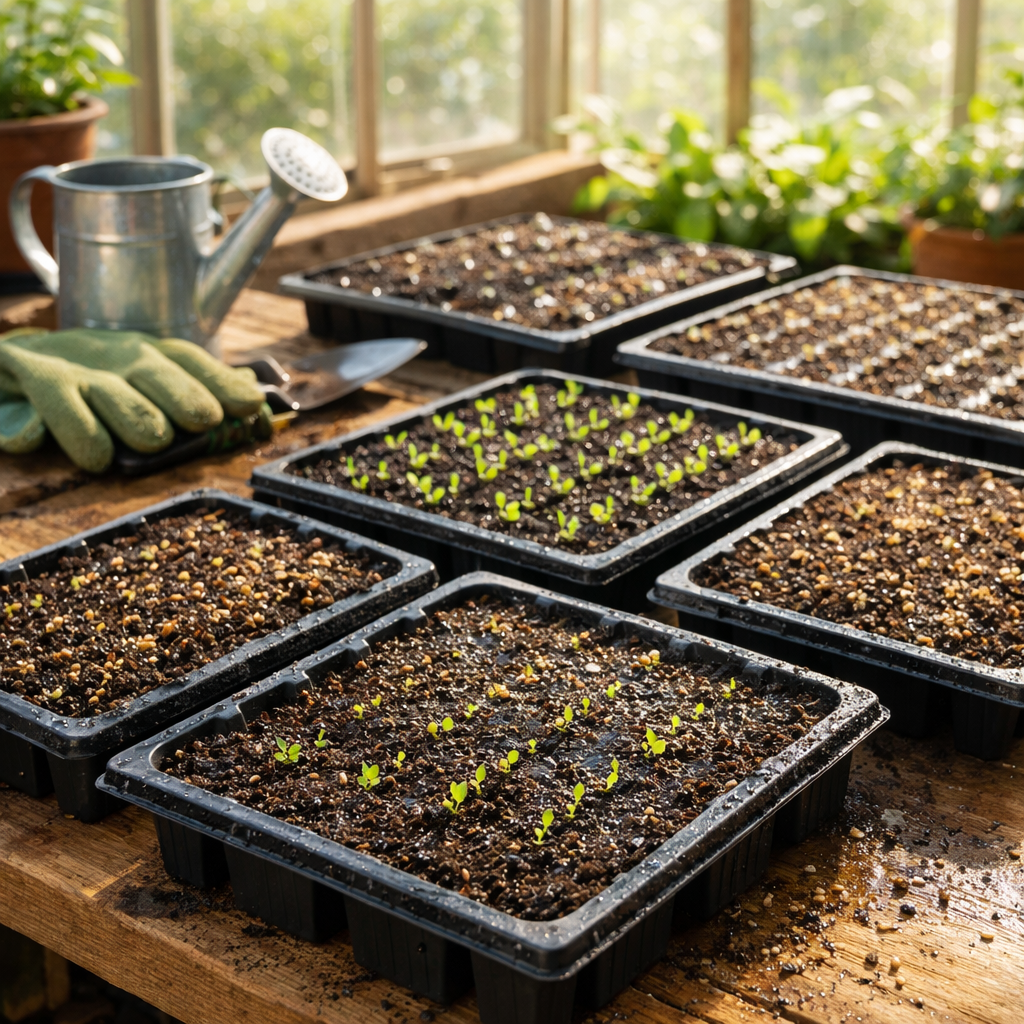
Aubergines need a long, warm growing season, so starting seeds indoors in March gives them the best chance to develop strong, productive plants. Early sowing is key, as aubergines are slow to grow compared to many other vegetables.
With the right warmth and light, you can raise healthy seedlings ready for planting later in the season.
Quick answer: how to sow aubergine seeds indoors
To sow aubergine seeds indoors, plant seeds in small pots or trays with fine seed compost, keep them at a warm temperature (around 20–25°C), and place in a bright location. Keep the soil moist and transplant seedlings as they grow.
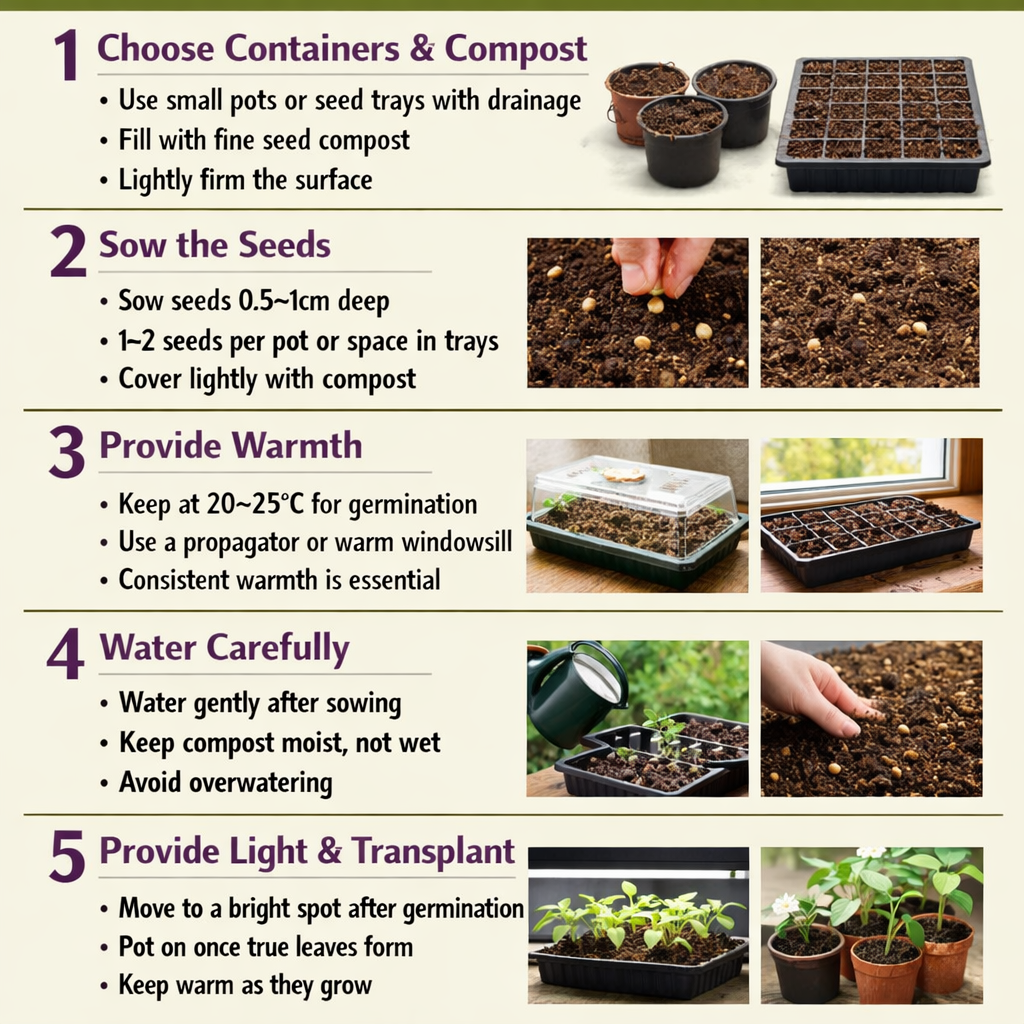
Step-by-step guide to sowing aubergine seeds
Step 1: Choose containers and compost
- Use small pots or seed trays with drainage
- Fill with fine seed compost
- Lightly firm the surface
Step 2: Sow the seeds
- Sow seeds around 0.5–1cm deep
- Place 1–2 seeds per pot or space evenly in trays
- Cover lightly with compost
Step 3: Provide warmth
- Keep at 20–25°C for germination
- Use a propagator or warm windowsill
- Consistent warmth is essential
Step 4: Water carefully
- Water gently after sowing
- Keep compost consistently moist, not wet
- Avoid overwatering
Step 5: Provide light and transplant
- Move seedlings to a bright position once germinated
- Pot on once they develop true leaves
- Keep warm as they grow
When to sow aubergine seeds
Aubergines should be started:
- In March for most climates
- Earlier only with strong indoor heat and light
- Late sowing can reduce yields
They need a long growing period to produce fruit successfully.
Best aubergine varieties
- Black Beauty
- Classic variety
- Reliable and widely grown
- Long Purple
- Slim fruits
- Good for smaller spaces
- Patio varieties
- Compact growth
- Ideal for containers
- White aubergines
- Milder flavour
- Decorative and unique
Choose based on space and growing conditions.
Ideal growing conditions
- Temperature
- Warmth is essential (20–25°C early on)
- Light
- Bright light after germination
- Avoid weak, leggy growth
- Soil
- Light, well-draining compost
- Water
- Keep evenly moist
- Avoid waterlogging
Common problems
Poor germination
- Cause: low temperatures
- Fix: increase warmth and maintain consistency
Leggy seedlings
- Cause: insufficient light
- Fix: move to a brighter position
Damping off
- Cause: overwatering and poor airflow
- Fix: reduce watering and improve ventilation
Slow growth
- Cause: lack of heat
- Fix: keep plants warm consistently
Climate and regional notes
UK & Ireland
- Indoor sowing in March is essential
- Outdoor growing requires warm conditions later
Europe
- Northern regions follow similar timing
- Southern regions may sow earlier
USA
- Start indoors 8–10 weeks before last frost
- Requires warm growing conditions
Pro tips for better results
- Use a heated propagator for reliable germination
- Sow a few extra seeds in case of low germination
- Rotate seedlings to prevent leaning
- Pot on gradually as plants grow
- Keep plants warm at all stages
FAQs: sowing aubergines
When should I sow aubergine seeds
March is ideal for indoor sowing to allow enough growing time.
Do aubergine seeds need heat to germinate
Yes, they need consistent warmth around 20–25°C.
How long do aubergine seeds take to germinate
Usually 7–14 days in warm conditions.
Can I sow aubergines directly outdoors
No, they need to be started indoors in most climates.
Why are my seedlings leggy
Lack of light is the most common cause.
How often should I water seedlings
Keep compost moist but not waterlogged.
When should I transplant aubergine seedlings
Once they develop true leaves and are large enough to handle.
Can aubergines grow in pots
Yes, especially compact or patio varieties.
Do aubergines need full sun later on
Yes, they require warm, sunny conditions to produce fruit.
How long do aubergines take to grow
Typically several months from sowing to harvest.