
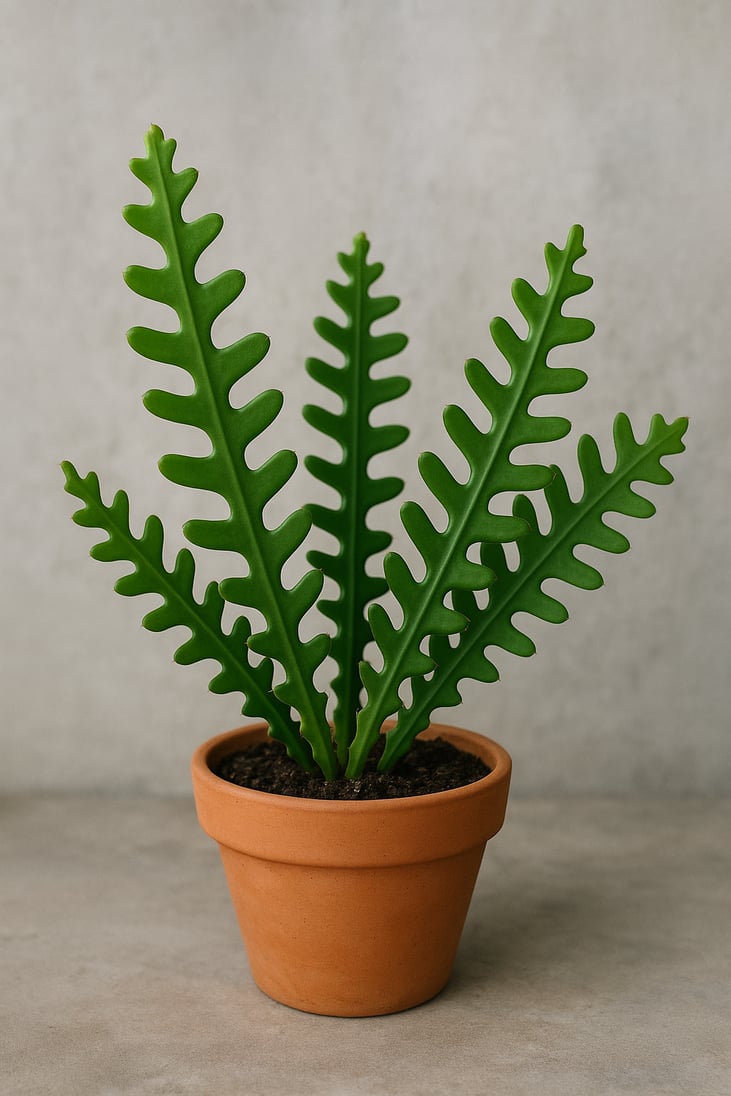
Discover the secrets to keeping your Fishbone Cactus healthy and thriving with our comprehensive care guide.
How to Get a Fishbone Cactus to Bloom (UK & Indoor Care Guide)
The Fishbone Cactus (Epiphyllum anguliger) is a tropical, zigzag-stemmed houseplant known for its rare, fragrant night-blooming flowers. Native to Mexican rainforests, it requires very different care from desert cacti.
If you want blooms, the key is simple: replicate its natural growing cycle indoors.
Quick Answer: How to Encourage Fishbone Cactus Blooms
To get a Fishbone Cactus to flower, you need to:
- Provide bright, indirect light
- Feed during the growing season (spring–summer)
- Create a cooler, drier winter rest period
This seasonal contrast is what triggers flowering.
Step-by-Step Guide to Encouraging Blooms
Step 1: Provide the Right Light
- Place in bright, indirect light
- Avoid strong direct sun (can scorch stems)
- East or north-facing windows work well
Step 2: Maintain Stable Temperatures
- Ideal range: 15–25°C (spring/summer)
- Keep above 10°C at all times
- Avoid cold drafts and sudden changes
Step 3: Water Correctly
- Water when the top layer of soil is dry
- Keep soil lightly moist in growing season
- Reduce watering significantly in winter
Step 4: Feed During the Growing Season
- Use a balanced liquid fertiliser
- Feed every 4–6 weeks (spring to summer)
- Supports strong growth and bud formation
Step 5: Create a Winter Rest Period
- Move to a cooler space (10–15°C)
- Reduce watering
- This step is essential for flowering
When to Expect Blooms
Fishbone Cactus typically flowers:
- Late summer to early autumn
- After a proper winter dormancy period
- When grown in stable indoor conditions
If your plant isn’t blooming, it’s usually due to lack of dormancy.
Best Varieties
- Epiphyllum anguliger
- Classic fishbone shape
- Most common and reliable
- Epiphyllum ‘Curly Locks’
- More decorative, curled stems
- Slightly more ornamental
Both are well suited to UK, Ireland, and European indoor growing.
Ideal Growing Conditions
This is a jungle cactus, not a desert one.
- Light:
- Bright, indirect
- Avoid direct midday sun
- Soil:
- Free-draining mix
- Add bark or perlite for airflow
- Water:
- Moderate in spring/summer
- Minimal in winter
- Humidity:
- Prefers 50–60% humidity
- Benefits from misting or humidity trays
Common Problems
No flowers
- Cause: No winter rest
- Fix: Reduce watering + cooler temperatures
Soft or yellowing stems
- Cause: Overwatering
- Fix: Improve drainage and reduce watering
Wrinkled stems
- Cause: Underwatering or dry air
- Fix: Increase watering slightly + humidity
Pests (spider mites, mealybugs, scale)
- Fix: Treat early with neem oil or insecticidal soap
Climate and Regional Notes
UK & Ireland
- Grow indoors year-round
- Can go outside in summer
- Bring indoors before temperatures drop below 10°C
Europe
- Northern/Central: treat as a houseplant
- Southern: can grow outdoors in warm months
USA
- Outdoors in USDA zones 10–11
- Indoors or seasonal movement in cooler states
Pro Tips for Better Flowering
- Keep the plant slightly root-bound
- Avoid moving it when buds are forming
- Increase humidity levels
- Maintain consistent care through spring and summer
- Be patient — younger plants may take time to bloom
FAQs: Fishbone Cactus Care in the UK and Ireland
How often should I water my Fishbone Cactus
Water when the top layer of soil is dry during the growing season, and reduce watering in winter.
Can I grow a Fishbone Cactus outdoors in the UK
Yes, during summer months, but it must be brought indoors before temperatures drop.
What kind of light does it need
Bright, indirect light is ideal. Avoid direct sunlight.
Is Fishbone Cactus safe for pets
Yes, it is generally non-toxic to cats and dogs.
How do I increase humidity
Use a humidity tray, group plants together, or use a humidifier.
When does it bloom
Late summer to early autumn, after a proper winter rest period.
What soil is best
A well-draining cactus mix with added bark or perlite.
How can I propagate it
Through stem cuttings placed in moist compost.
What pests should I watch for
Spider mites, mealybugs, and scale insects.
How often should I fertilise
Every 4–6 weeks during the growing season with a balanced liquid feed.